

June 3rd 2026
I allow myself to borrow the title of one of Osamu Dazai’s novels. Through the fortuitous meeting of a story and a desire, this writer has given substance to my next journey to Japan. The voice that awakens day after day, that tells me, “come, come back, I am waiting for you”, revealed itself to be hoarse, roughened, broken by the abuse of so many forbidden things condemned by morality. Yet beauty is there, flowing gently through the words that remain.
“Victims. Victims of an age of provisional morality. That is certainly what we are, both of us. A revolution will break out somewhere; but the old morality persists unchanged in the world around us and blocks our path. Yet however many waves may break upon the surface of the sea, far from entering into revolution, the water in the depths remains motionless, awake yet pretending to sleep.”
Setting Sun, Osamu Dazai, 1947.
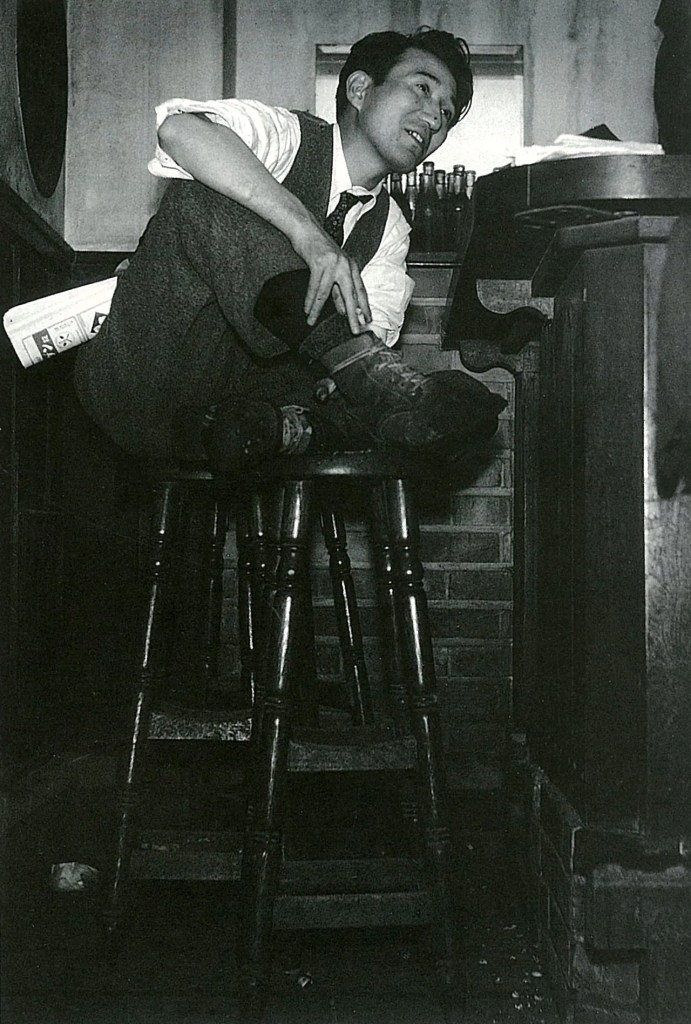
As I leave, I leave behind me the setting suns that are accumulating across the Old Continent. Some preceded the great orange demon of the New World, others are preparing to follow it. Dark times are here, emerging from a Mordor golden in appearance but coloured in reality by the dirty shades of fierce hatred towards the one designated as guilty, “the Other”.
What do the Japanese see of these setting suns? Difficult to say as I watch them strolling in front of the small station of Hatanodai, located in Shinagawa, southwest of central Tokyo. They walk calmly beneath a sun high in the sky, fully awake, insistently warming the end of spring. Umbrellas become parasols, protecting oneself from the sun is an obligation, one must shelter from solar dangers, one must keep one’s skin white. For them the demon is shining yellow in a blue sky streaked with white.
From Caferia, a kissaten located on the first floor, I can observe them at leisure. It is a residential district and a varied public passes along the shopping street where I find myself. With each train, the barriers at the level crossing hold the walkers back for a few moments. Released, they resume their way with vigour but soon slow beneath the heat of the sun; the group barely formed dissolves into walks of differing rhythms.
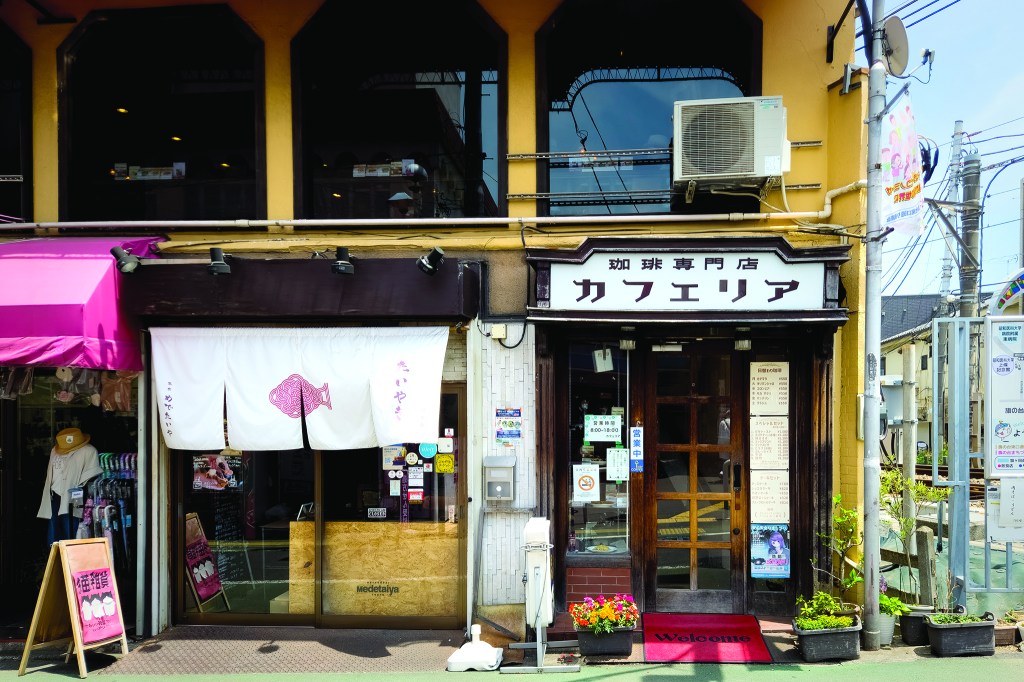
The youngest move quickly, backs straight, perhaps heading towards nearby Showa University. The salarymen wear immaculate white shirts, briefcases hanging from their wrists or black bags on their backs. Those using their phones walk bent over, more slowly; they consult messages, perhaps read manga, or simply search for their way. Some stop abruptly and reconsider the route to follow, it is a sign. At the rear of the procession come the oldest, slower, more cautious, carrying their steps more than their steps carry them.
There are also the vehicles. First the bicycles, skilfully weaving through without ever touching or disturbing anyone. Then the motorcycles used by delivery workers and all manner of itinerant professions. Finally the cars, too wide, forced to wait until the groups disperse. The way Japanese people drive in these streets is one of slow efficiency; in rhythm and with gentleness, acceleration and deceleration must alternate, sometimes all the way to a complete stop. No horn sounds, the fluidity of each person is the rule, one of the harmonious ways of Japan.
Would Osamu Dazai have written in Caferia while watching the passers-by? I do not think so. His world was that of bars, alcohol, tobacco, women as well. He did not look at Japan or the Japanese, he looked at himself. Unable to find the reasons necessary for living, he observed his own downfall through heteronymous characters not unlike those of Fernando Pessoa. Dazai’s stories are written in the first person; men or women, they tell of the difficulty of being, the feeling of not belonging to reality, of not being in the right place.
“I no longer know either happiness or unhappiness. Everything passes. That is the only truth that has ever seemed to resemble a truth in this human society where I have lived until now as though at the heart of hell. Everything passes.”
No Longer Human, Osamu Dazai, 1948.
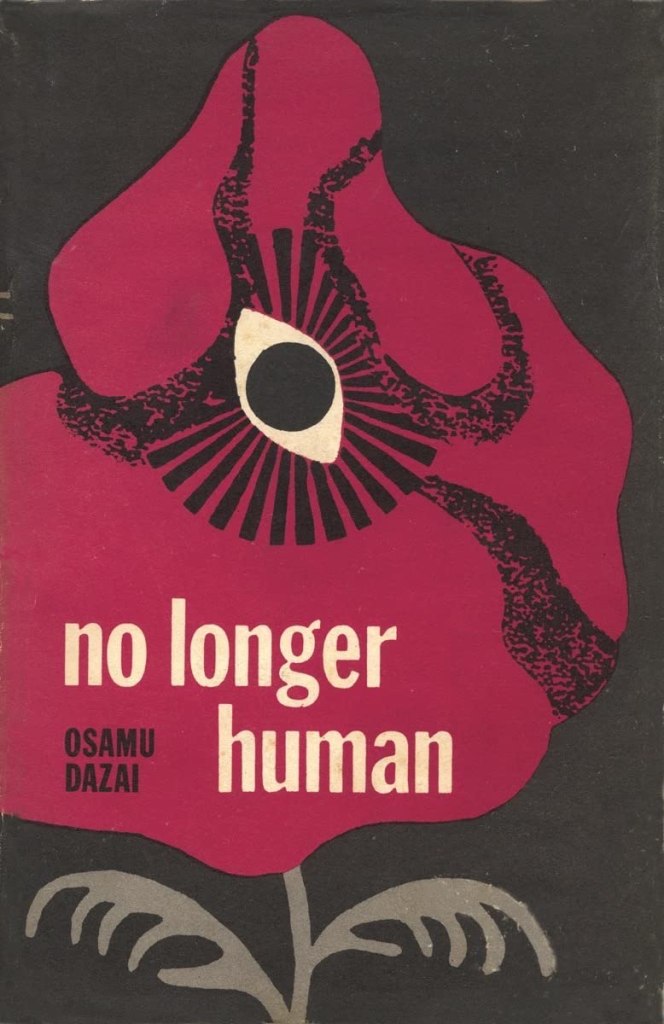
Why has this work, so sad in appearance and so dynamic in reality, come to inspire my new journey to Japan? It is not a choice guided by my own inadequacy in the world; I have managed that alone for a long time. It is a chance encounter with a book that set me upon Dazai’s path, the path of his short life.
In March, at the beginning of spring, I decided that my next journey to Japan would be devoted to discovering Tohoku, the North of the great island of Honshū. On that very same day, seated on the terrace of a bar enjoying the first mildness in the air, I opened Return to Tsugaru by Osamu Dazai, which I had long intended to read in order to discover this great writer. There I read the following:
“In the spring of a certain year, I travelled around the Tsugaru Peninsula, at the northern tip of Honshū, for the first time. The journey lasted nearly three weeks and was, in my life of more than thirty years, one of the most important events.”
Return to Tsugaru, Osamu Dazai, 1944.
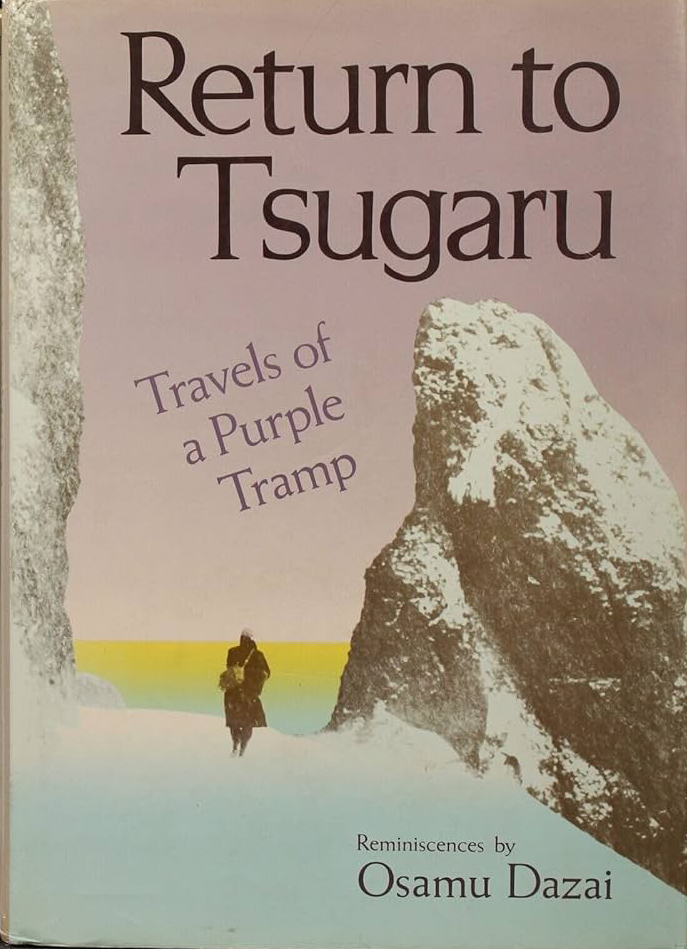
How could I not believe in a sign when the first sentence of a book, more than eighty years after it was written, addressed itself so directly to me on the very day I had decided to visit Tohoku? Tsugaru is the name of the northern part of this region; I discovered it as I opened the book. The final sentence of the book, meanwhile, moved me deeply; it expressed another harmonious way of Japan, one addressed directly to me.
“Farewell, reader. If we are still alive, let us meet again another day. Let us try to live with spirit. Do not despair. I salute you.”
Osamu Dazai was born and lived in Tsugaru, and it is therefore there that I shall go in search of him. It will come later in this new journey, when I slowly make my way northward. He also lived in Tōkyō; it is in this city that my return to Japan begins and with it my encounter with a unique writer, almost unknown to the Western public and barely known by the younger generation in Japan. Yet there are manga adaptations of some of his works, particularly for use in schools. At least two manga have been translated: No Longer Human by Junji Ito in 2017, and the work of the same title by Usamaru Furuya in 2007. They are both excellent ways to discover Osamu Dazai.
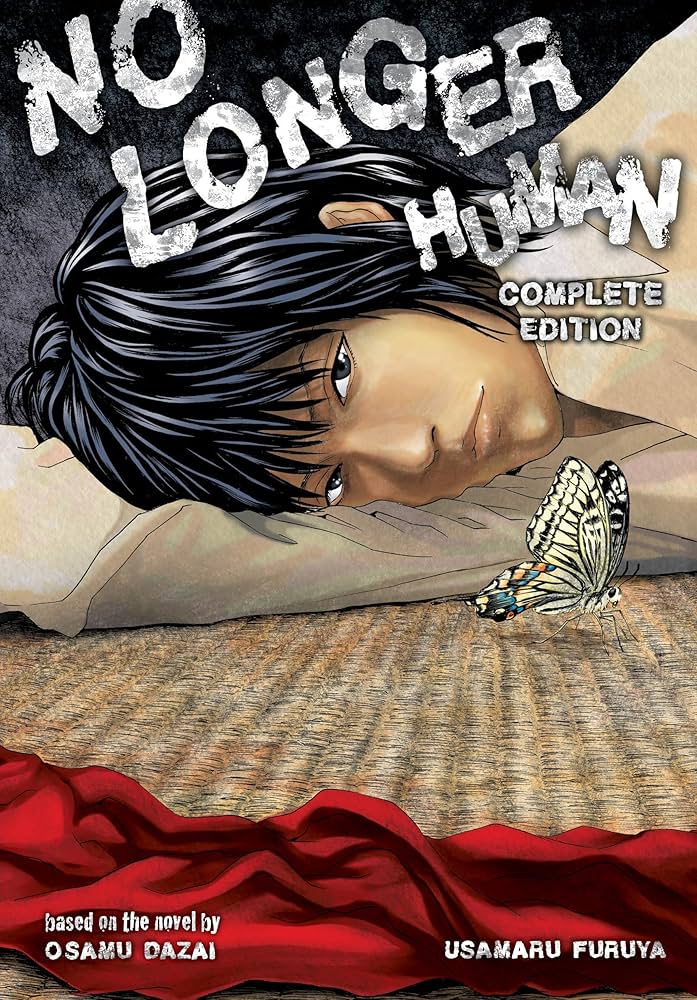
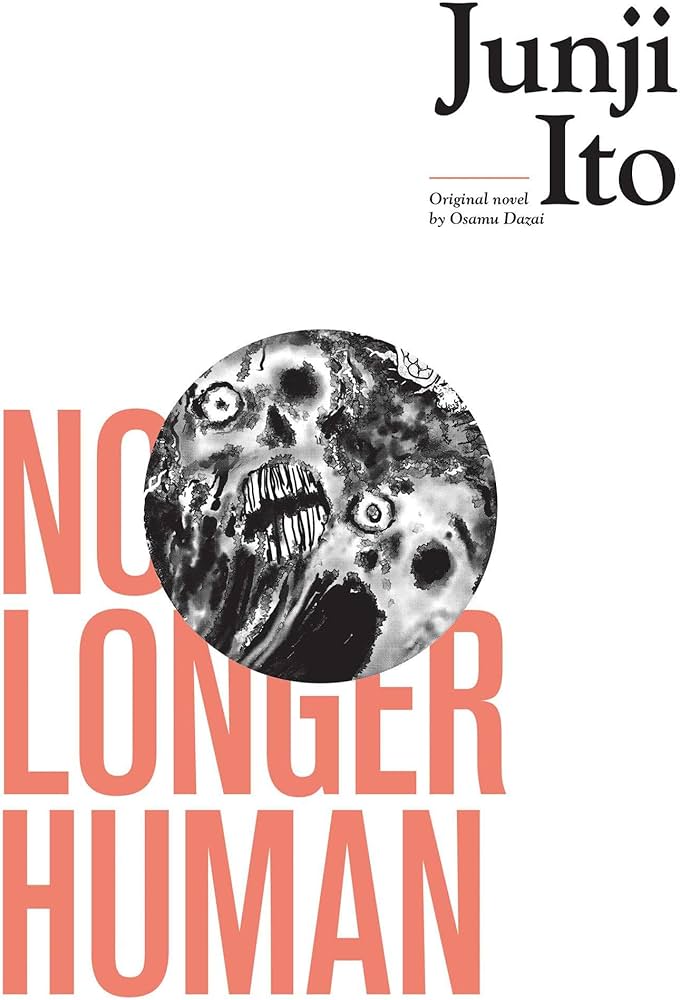
I am back in Japan on Dazai’s trail, on the road to Tohoku, and I feel the excitement of travel. After ten long months of waiting filled with diverse experiences, I am finally where I want to be. I have reunited with Hisae and Takashi, I am happy. Yet there is a paradox in this first text, that of associating my new discovery of Japan with a writer who, throughout his life, thought only of leaving this country forever. I should say the world, since his inadequacy concerned not the country itself but human beings in general.
Dazai’s world was that of before and after the war, the second one, the most monstrous. He who, by birth, belonged to the Japanese high aristocracy knew better than most into what inhuman dead end the world and his country had hurled themselves. It is certainly this lucidity that attracts me as much as the beauty of his texts. Thanks to the translators.
Setting Sun, from which I borrow the title of this chronicle, tells the story of an aristocratic family just after the war whose fortune and place in society collapse. The Japanese title 斜陽 means sunset but also decline; more precisely, if one adds the kanji 族 (family in the sense of a clan), one obtains a term meaning in Japanese “the decline of the aristocracy”. The message is clear: Dazai speaks to us of the end of a world, his world. So clear, in fact, that the term 斜陽族 became popular in Japan after the publication of the novel.
斜陽
Shayou – sunset, decline.斜陽族
Shayouzoku – the decline of the aristocracy.
Perhaps this is where the paradox fades away. The setting sun that I see, that of the West, is also a declining world whose fortune and place are fading in favour of others, emerging and dynamic. It is not for me to write about that subject.
I am merely a traveller telling a few stories, this time inspired by the traces left by a great writer. In Dazai’s footsteps, at the rhythm of his words, I shall travel through the country that I love and go to meet both my old and new friends. I travel the harmonious ways of Japan. Reader, if you follow me, I thank you.
Mata ne


