

Ohayou
June 28, 2025
Nights are quiet in Otaru. Very few places stay open after midnight, except for night bars and karaoke joints, but you have to be a local to know them — the doors don’t open easily. Like that ramen izakaya that stays open past midnight, where I try in vain to be accepted, but it’s a lost cause — they don’t want me. Officially, it’s always full. During the day, it’s different, but you have to know the hours and the places — it’s not something you can improvise, and the great information network isn’t always reliable in that regard. What’s more, some places change their hours, even their opening days. Luckily, there are safe bets where you’re always welcome, whether you’re Japanese or not.
The Otaru Tap Room is the perfect spot to quench your thirst in the late afternoon after a long walk. It’s a true craft beer bar, offering Japanese beer on tap. Microbreweries and larger breweries have multiplied in Japan since 1994, when the government reformed the tax law concerning them, making their development easier. Today, there are more than 700 breweries in Japan, including over 200 microbreweries, and the number keeps growing. When people in Japan start doing something, they do it well — even better than elsewhere, perhaps — and beer is no exception. Historically, it was in Hokkaidō that the first major brewery emerged. In 1876, the Japanese government established the Sapporo brewery in Hokkaidō, headed by Seibei Nakagawa, who had trained in Germany. The famous red-star beer marked the beginning of the rise of Japanese beer, soon followed by Asahi, Kirin, Suntory, and Yebisu. It’s another example of the Japanese authorities’ desire to make Hokkaidō a modern showcase aimed at Westerners. They were finally welcome at the end of the 19th century, after nearly 300 years of isolation.
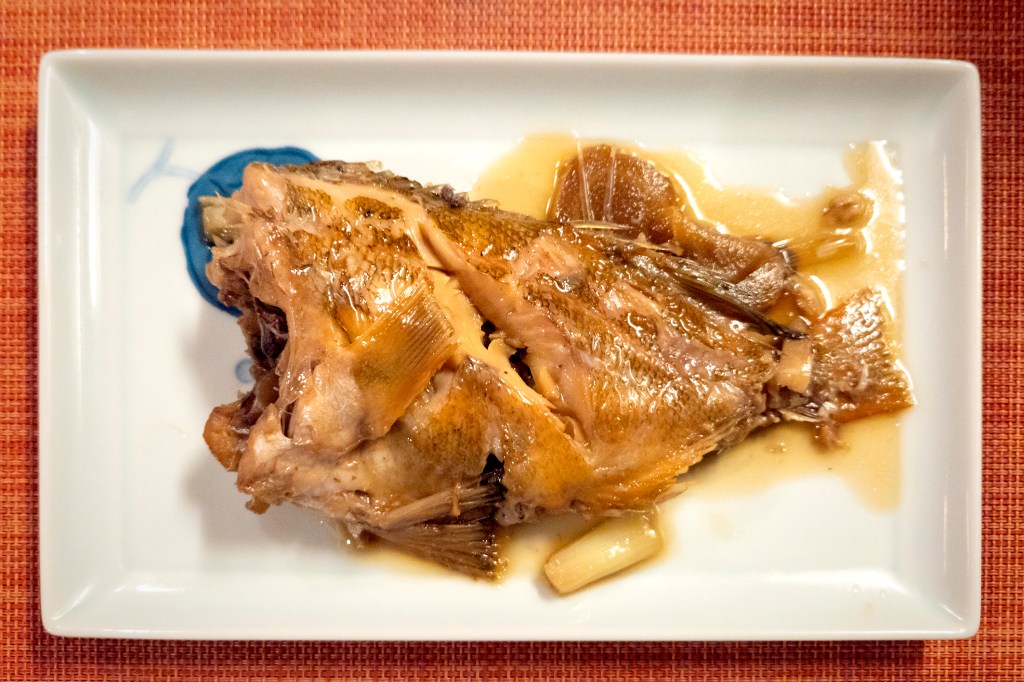
But the place I cherish above all in Otaru is still Brick Alley, where I enjoy each evening the dishes Makki prepares for me in her izakaya, Lucky Direction. It’s tasty, local cuisine, born of the secrets of the one who creates it. Every day, I get something original that she makes only for me. Sometimes the customers are jealous and cast me a kind of mock-stern glance. Brick Alley is a haven of peace where only the joy of being there matters — eating, drinking, laughing.
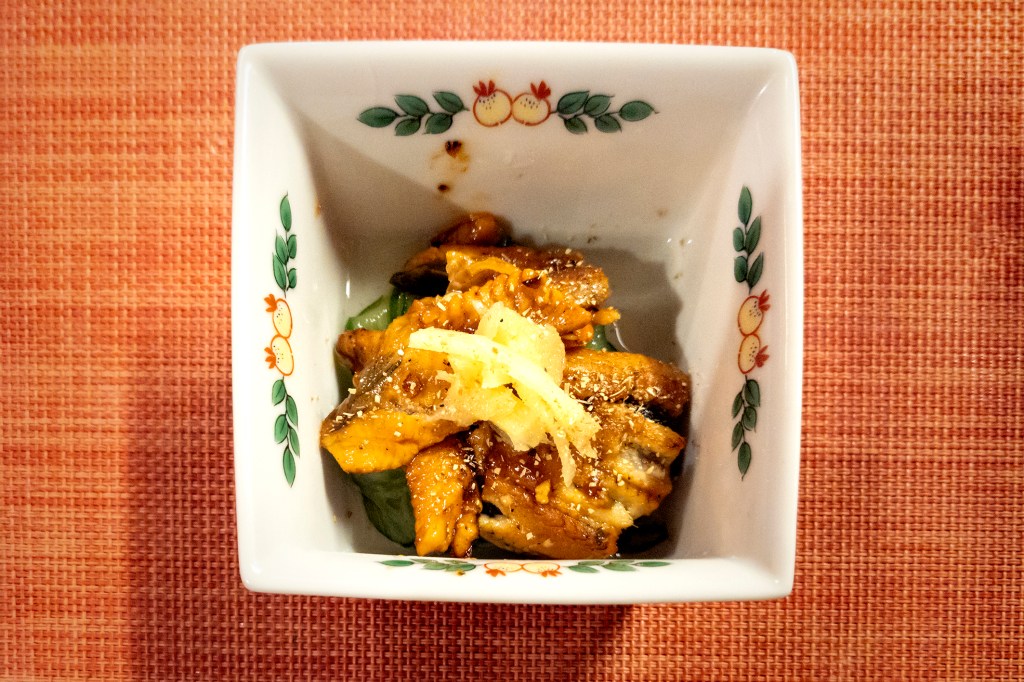
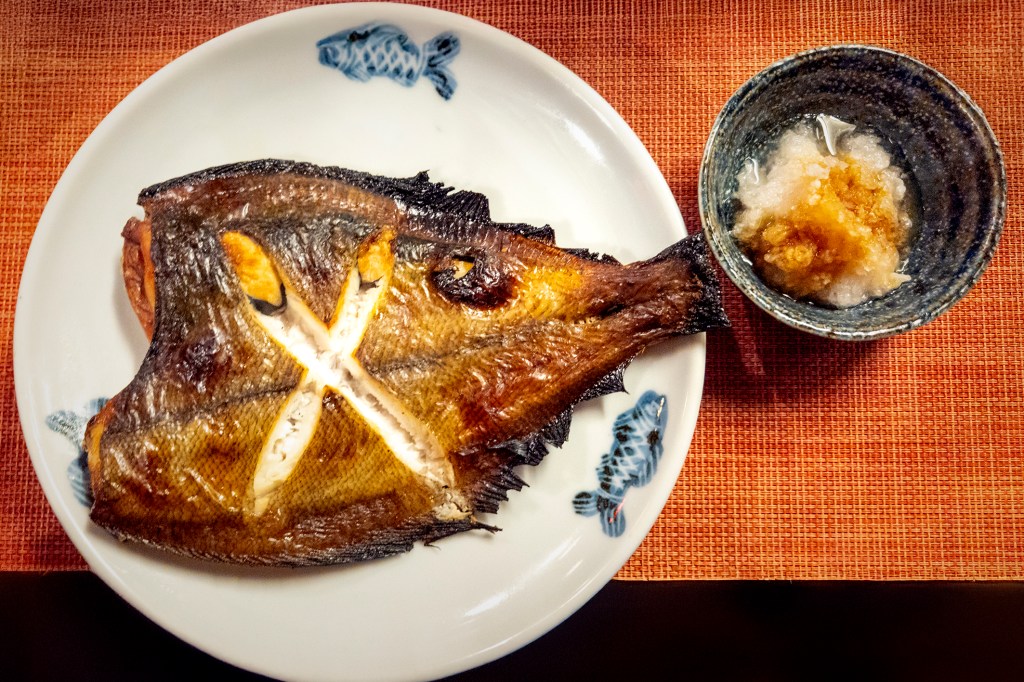
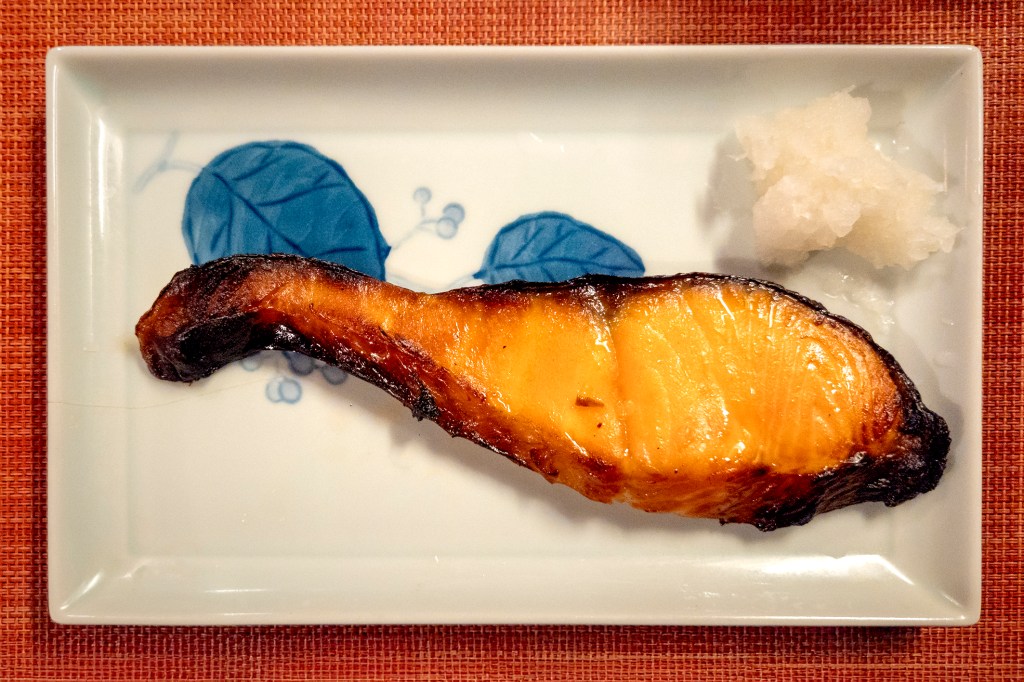
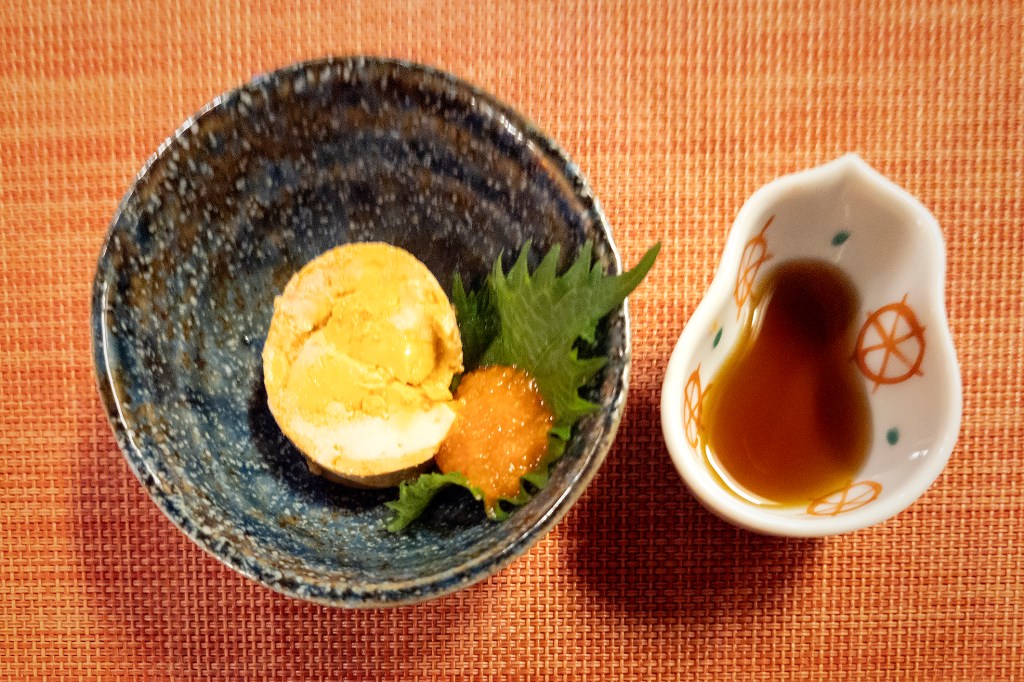
In Brick Alley, people pass by, sometimes stop, ask a question, move on or settle in — a daily ritual. It blends harmoniously with the comings and goings of the regulars who pass by, always stop, exchange a few friendly words, move on or settle in. I’m a privileged witness, sometimes amused, sometimes moved, always happy — and that’s what I miss the most when I’m somewhere else. I am the impermanent one of Brick Alley, and I wish it could last forever. I enjoy the paradox.
There are intruders who pass through Brick Alley — a perfect world would be boring — but they ask no questions, say no kind words, they move on and never settle. Like that Chinese woman who, with no sense of shame whatsoever, leaned over my neighbour’s shoulder to see and sniff what he was eating. She spoke loudly to the man she was with, describing the food in front of her as if she were commenting on an item in a supermarket. No hello, no glance at the place, no respect — the revolting banality of rudeness.
Intruders are not welcome, and no one accepts or receives them in Brick Alley. They slide across everyone’s indifference — my neighbour’s, whose shoulder was invaded, Makki’s, who ignores them, mine, which refuses anger. An intruder can’t be described or defined — you recognise them by their attitude, the sound of their voice, their gestures, their gaze. Their very nature makes them an intruder — they’re never welcome, they simply pass through without leaving any trace but that of their intrusion.
Little by little, Brick Alley settles down. The evening moves gently forward to the sound of Makki’s music, offered without being imposed. She loves Anglo-Saxon music — Elton John, The Police, Clapton, JJ Cale, the Stones. Each song resonates like a nostalgic madeleine — for her, for me, in completely different circumstances — we share it with eyes a little vague, as if rolling with seafoam. In every piece of music we know, there is a trace that belongs to us — good or bad, it’s part of who we are. The melodies, the voices, speak to us — they whisper emotions ranging from tenderness to sadness, sometimes touching joy. So we hum, we tap, we play along, we become makeshift musicians or singers in the almost deserted Brick Alley.
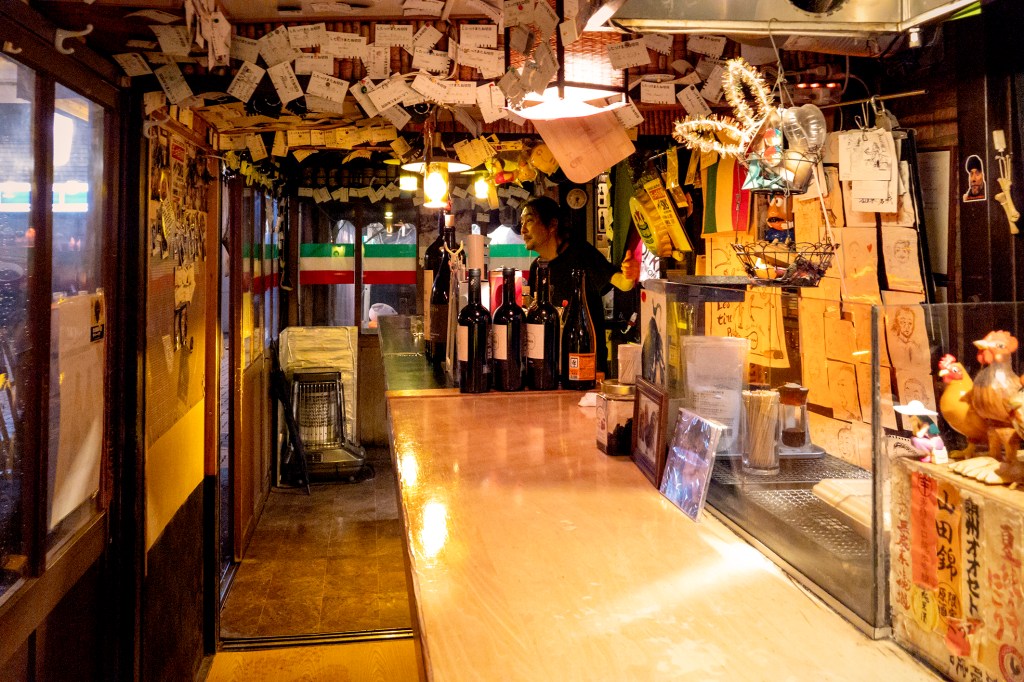
Time to leave — not far — just five metres, to have one last drink standing at Mr. Arasawa’s bar. Makki has to close her izakaya, clean, tidy up, prepare for the next day. She’s been standing for hours behind her counter; her back aches — a painful memory of ice hockey. She’ll join me later, for one last quick prosecco before heading home to sleep.
The real name of Mr. Arasawa’s bar is CD Art Dining, but everyone calls it Buona sera. Because no Japanese person can manage to pronounce such a tricky foreign name, and because the bar welcomes you in Italian. Mr. Arasawa is a lover of Italy — he visited it once and has kept an indelible memory of it. Everything in the place tells you so — the wine, the food, the Italian flag. All that’s missing is a Louis Prima tune, but curiously, the music is Japanese.
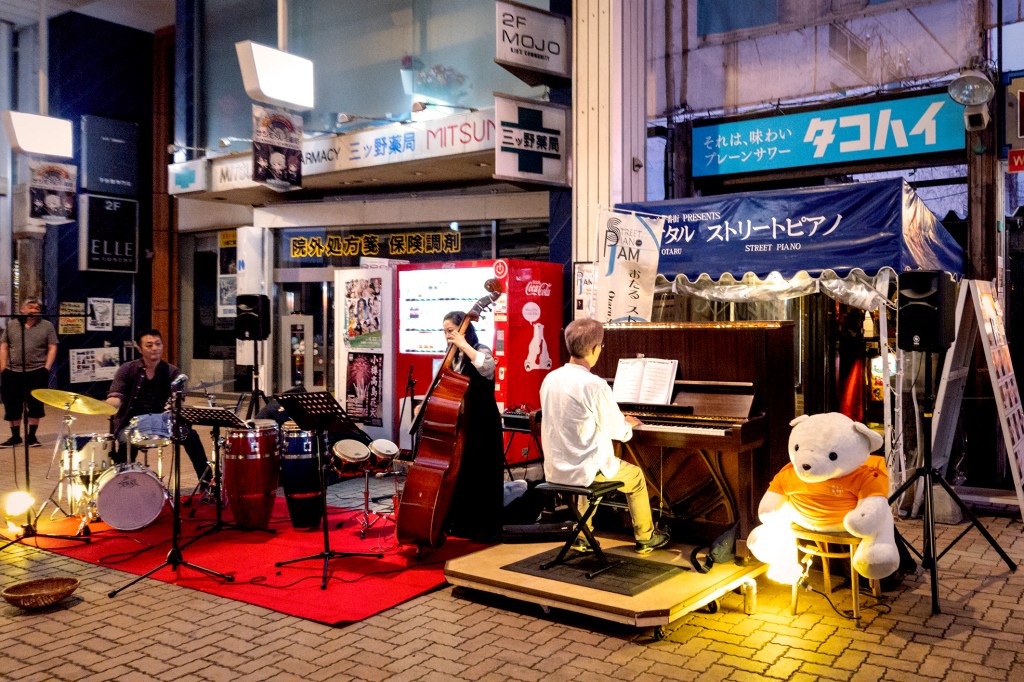
The bar opens onto the main arcade, and there, leaning against the wall, is a public piano that can be moved when a concert spontaneously takes shape. People stop and play, sometimes at surprisingly high levels. Like those two Japanese men who, during my first stay in Otaru, played and sang Nessun dorma (Let no one sleep), from Giacomo Puccini’s unfinished opera, Turandot. That aria, made famous by Luciano Pavarotti, sounded like pure magic in the empty arcade at two in the morning. A moment of sheer beauty.
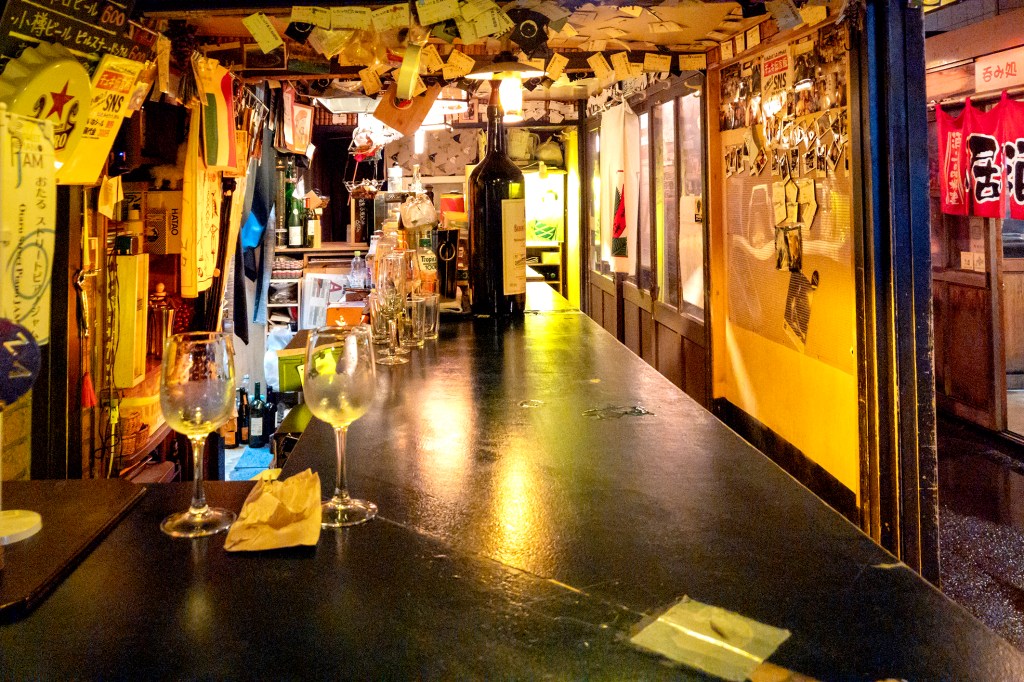
The inside of the bar is long and narrow — you can squeeze in ten people if you push. Once that number is exceeded, customers sit out in Brick Alley, leaving a narrow, sometimes winding passage. If you’re over six feet tall, be careful — bumps are common on a first evening among beams that low. It’s a standing bar — you lean on the counter, which makes conversation easier — you’re never alone for long at Buona sera. The tightness of the place sparks encounters and conversations — that’s its charm.
Mr. Arasawa hires waitresses and waiters. Locals, students, and foreign travellers take turns. They help him out, earn enough to live a little better. Those who aren’t Japanese take the opportunity to improve their Japanese — or simply to start learning it. They’re often students from Otaru University of Commerce, which has a strong reputation and attracts many European students who come to do a master’s degree — courses for which are taught in English.
This year, no student to greet me, but a young woman from Marseille who stopped in the north during her year-long trip through Japan. A neuroscience graduate with no job prospects, she left to live her dream — to discover the Japan she’d always wanted to see. Mr. Arasawa introduced her as he always does, insisting on her nationality. But without consulting each other, she and I began speaking Japanese. That way, we avoided the trap of our own language, which would have cut us off from the others. We don’t speak Japanese well, but it allows us to learn and to show our interest in the language of the country we both love.
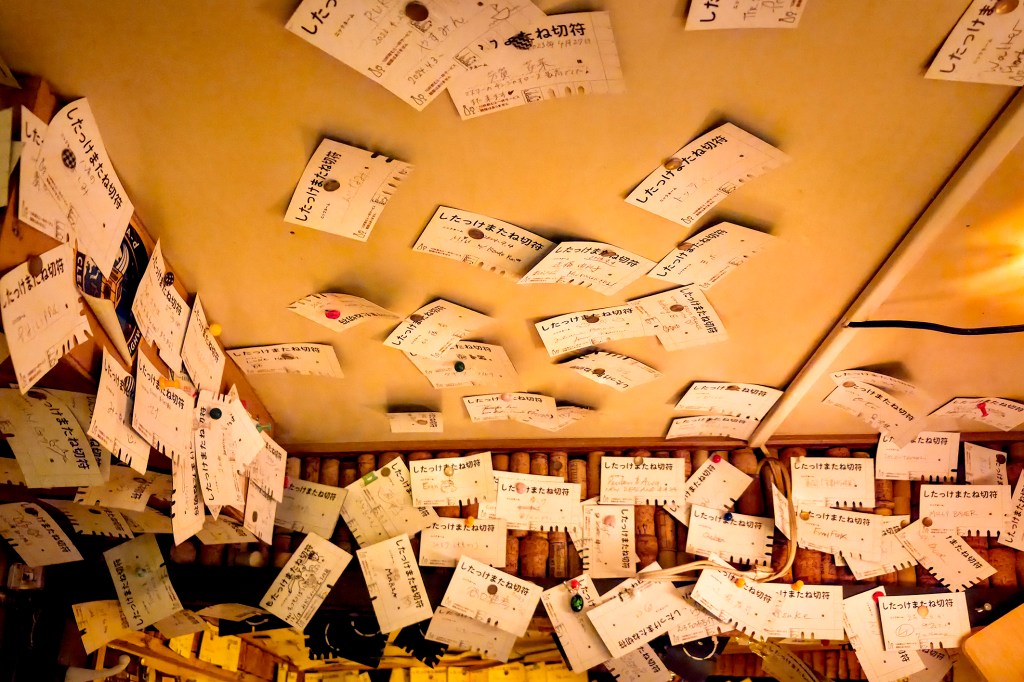
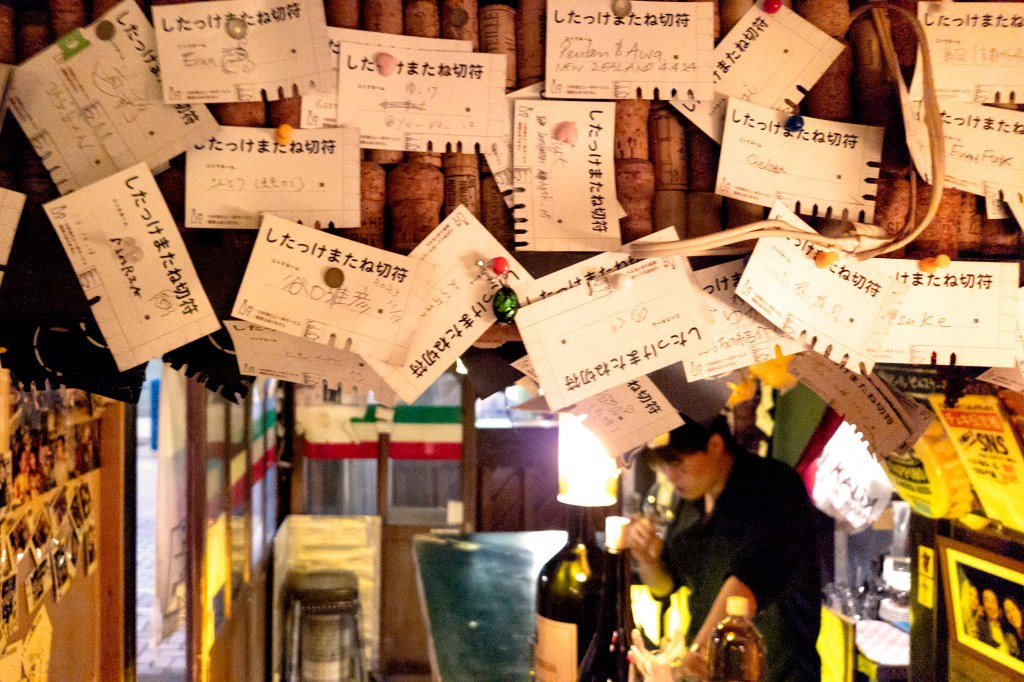
Buona sera is a place of passage and encounters — it lives up to the name Otaru’s regulars have given it. On the walls, on the ceiling, on the beams — everywhere — small cards the size of business cards are pinned in a charming and friendly anarchy. Printed on the paper in bold Japanese script: したっけまたね切符, “Goodbye See-You Ticket.”
したっけ
Shitakke – goodbye (Hokkaidō dialect).またね
Mata ne – see you soon.切符
Kippu – ticket (train, show).
On each of these tickets pinned all around are names, dates, countries, cities, sometimes a small drawing or a friendly comment. When you leave Mr. Arasawa’s Buona sera, it’s never a final goodbye — you’re given your own Goodbye See-You Ticket. Mine is somewhere — no matter where.
I love this country
Mata ne

