

Ohayou
June 2025
I rediscovered, with great interest and curiosity while reading Les Geishas, the excellent book by Robert Guillain, a key concept of Buddhism: impermanence. In Zen thought in Japan, impermanence cannot be defined or explained — it must be experienced. Through seated meditation, zazen, which allows one to observe changes within and around oneself; through the observation of nature as it transforms with the seasons and takes on the colors offered by rain and sunshine.
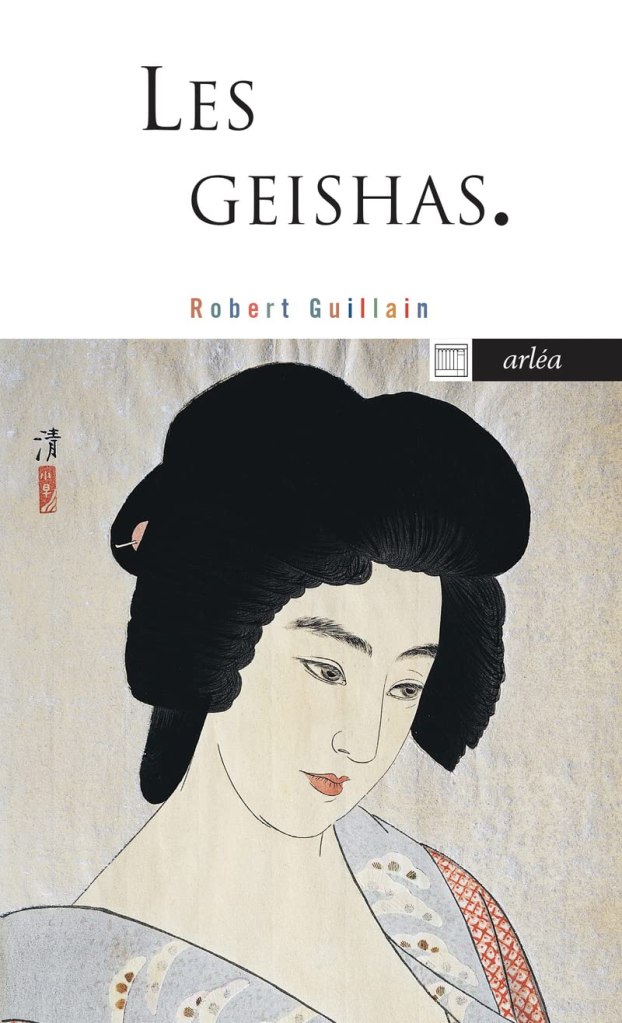
As I prepare to leave, to return to Japan, the word seems ideal for this new journey — a journey of impermanence. Isn’t that what travel is? A continuous change, a transformation of the self, of old and new relationships, a renewal of emotion, friendship, love, joy. Eight centuries ago, Kamo no Chōmei wrote: “The current of the river never ceases to flow, and yet it is never the same water.”
Impermanence is not a choice — it is the condition of all things, of every living being. It is the irreversible flow of time, that physical dimension that causes us both to exist and to vanish. Travel, in which the dimension of time is essential, brings this reality into sharp focus — with each change of place, scent, color, texture, and landscape. I will thus be a traveler of impermanence, since it can be no other way.
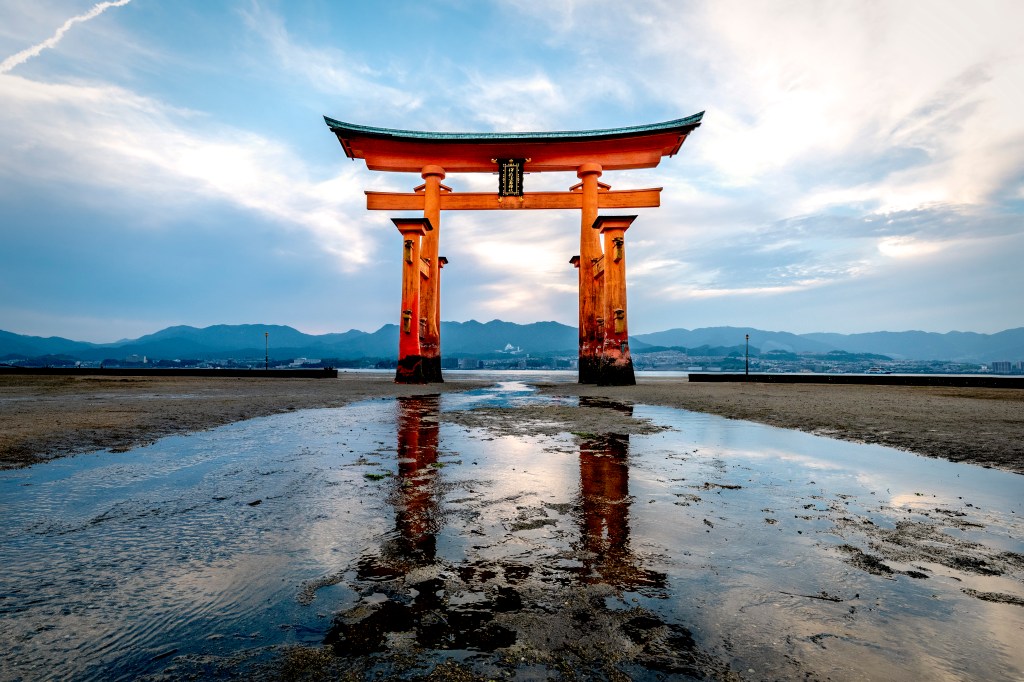
This becomes even clearer through the Japanese term 無常 (mujō), which brings me back to Yasujirō Ozu. The first kanji, 無 (mu), is the one the filmmaker chose to leave as his only epitaph on his gravestone. That grave I visit every year in a temple in Kamakura, where I listen to the changing winds bring whispers of the departed whom I miss.
無常
Mujō — the absence of permanence.
Impermanence, for the traveler, is not just movement through space and time — it is also a movement of the mind and emotions. A traveler returning to a place once known, once loved, expects to find again what once moved them. But that is impossible — and that is the very point of travel.
Impermanence is part of the journey; one must accept it, understand it, and not linger on the bitterness its taste sometimes leaves behind.
I struggled to accept it last year, when I discovered that my friend Behrouz’s little bar — the place where I met so many extraordinary people, where the evenings ended in laughter and conversation with no tomorrows — had become something else entirely. No more laughter. No more tomorrows. No more Behrouz. I struggled last year to accept that Mei had disappeared, that the people I passed on the street where I once met her were no longer the same, that no one could tell me what had become of her. To accept impermanence is to no longer desire. It is to no longer suffer. It is the very essence of Zen.

The cherry blossom, sakura, is its symbol. Each year, the joyful admiration the Japanese show for its bloom reflects the deep importance their culture places on impermanence. The fleeting nature of the moment demands it be lived with intensity; the ephemeral beauty of the blossom is received without hope or regret. It is there, for just a moment — and its very vanishing is part of its beauty.
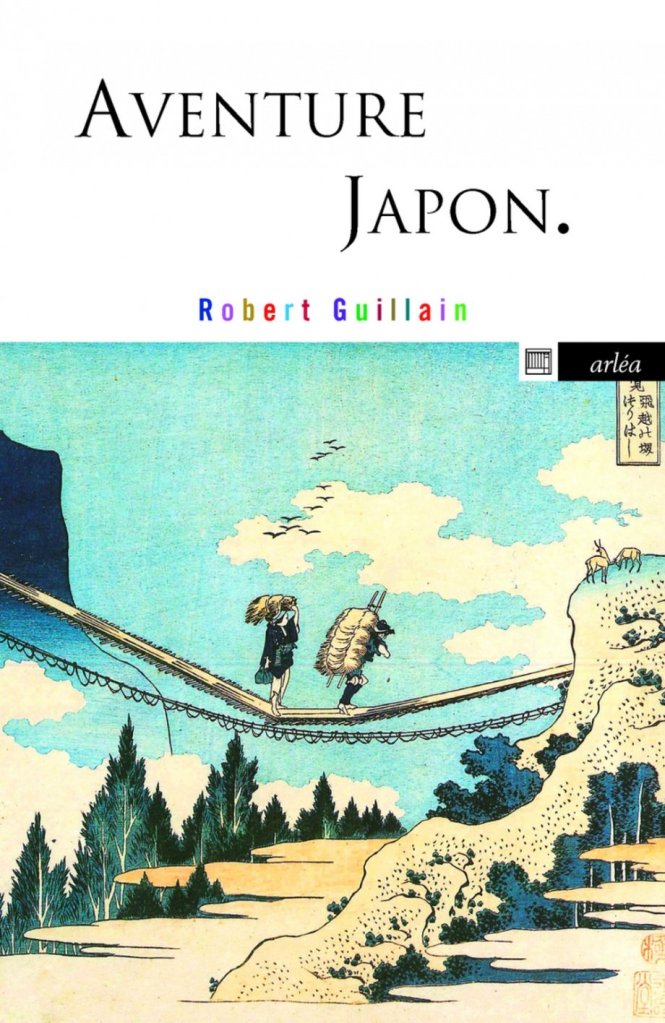
In his final book, Aventure Japon, published in 1997, a year before his death, Robert Guillain recounts his Japan — the one he discovered in 1938 and where he lived for nearly forty years.
His story is one of impermanence. Everything he once knew has changed, has disappeared.
He knows the impermanence of things, of Japan, and he writes to hold on to a bit of the sand slipping through his fingers. It is touching, moving, and brilliantly written — but it changes nothing.
The Japan he knew, the one he saw change again and again — I will never know it, and no one can know it now, except through reading his book.
And so I will begin my own journey of impermanence, sharing the fleeting moments that will soon vanish — because that is the nature of things, and that is what makes them beautiful.
“At the window, I was gazing out at a panorama I had dreamed of for so long: countless islands, floating in the sunlight on the great azure sheet of the Inland Sea — a string of small, even very small islands opening before me the maritime path I had always promised myself to explore.”
— Robert Guillain, Aventure Japon, 1997.
I love this country.
Mata ne.

